Shortlisted TVs will be accessible here.
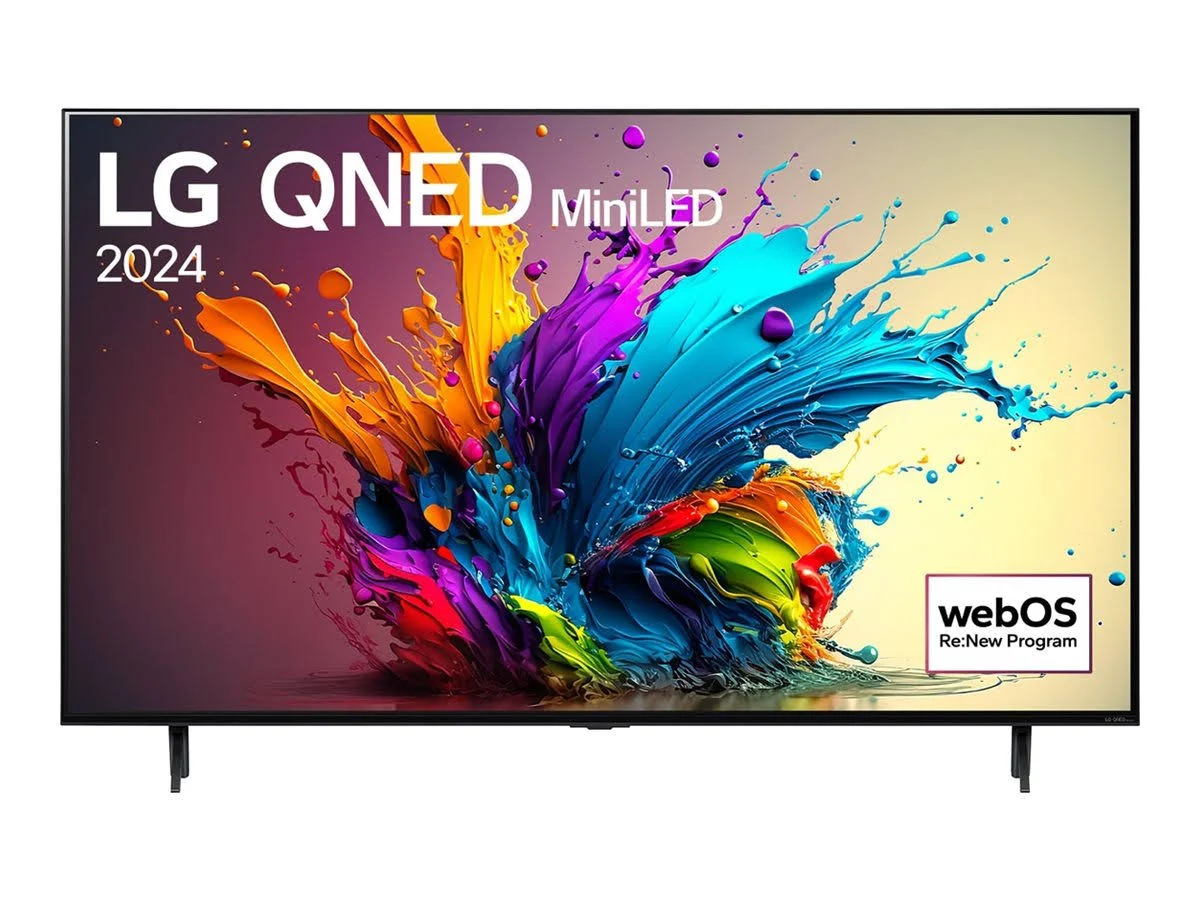
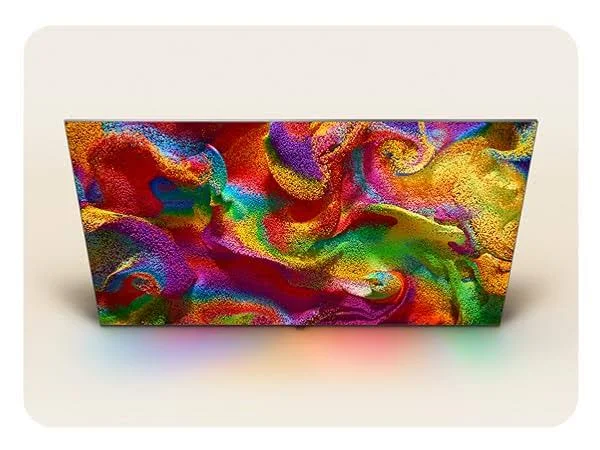
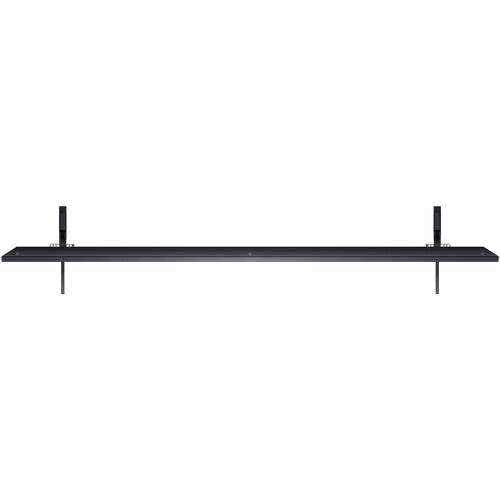
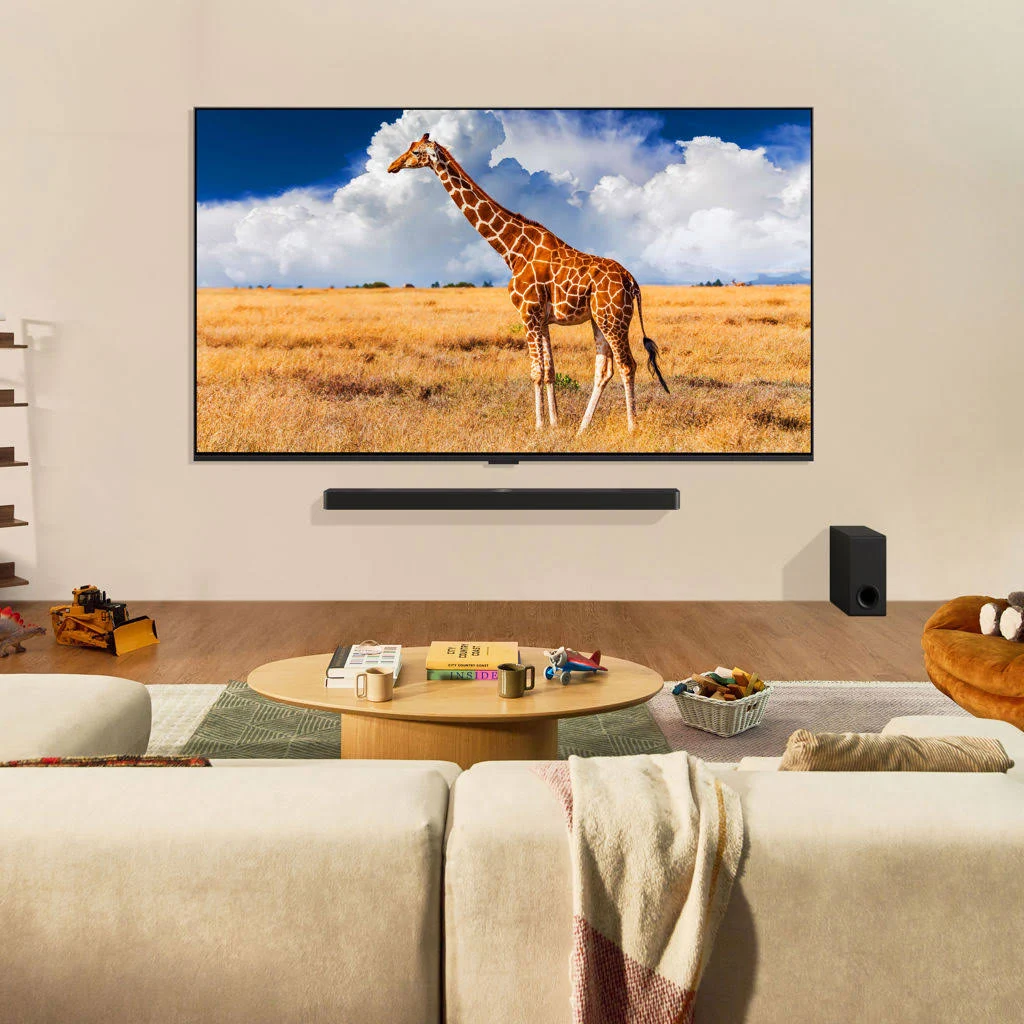
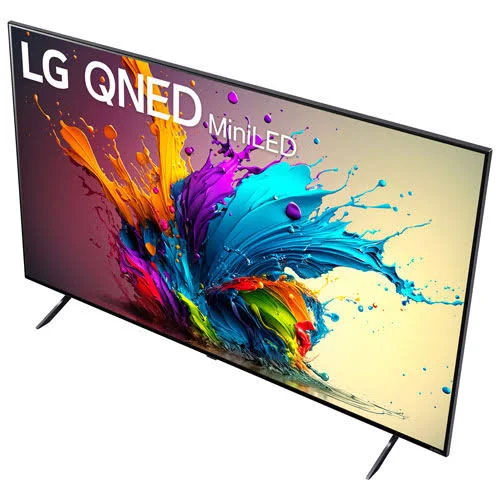
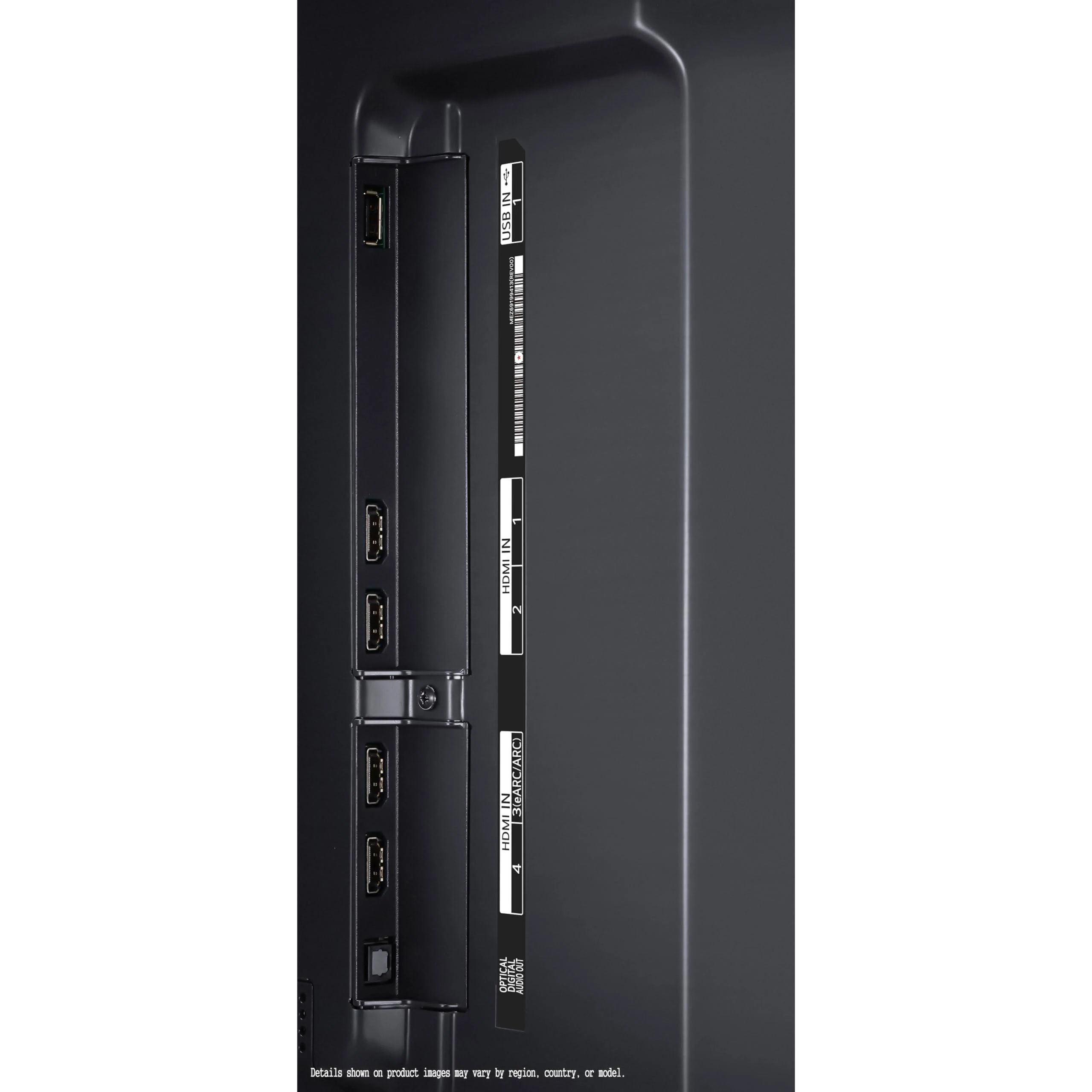
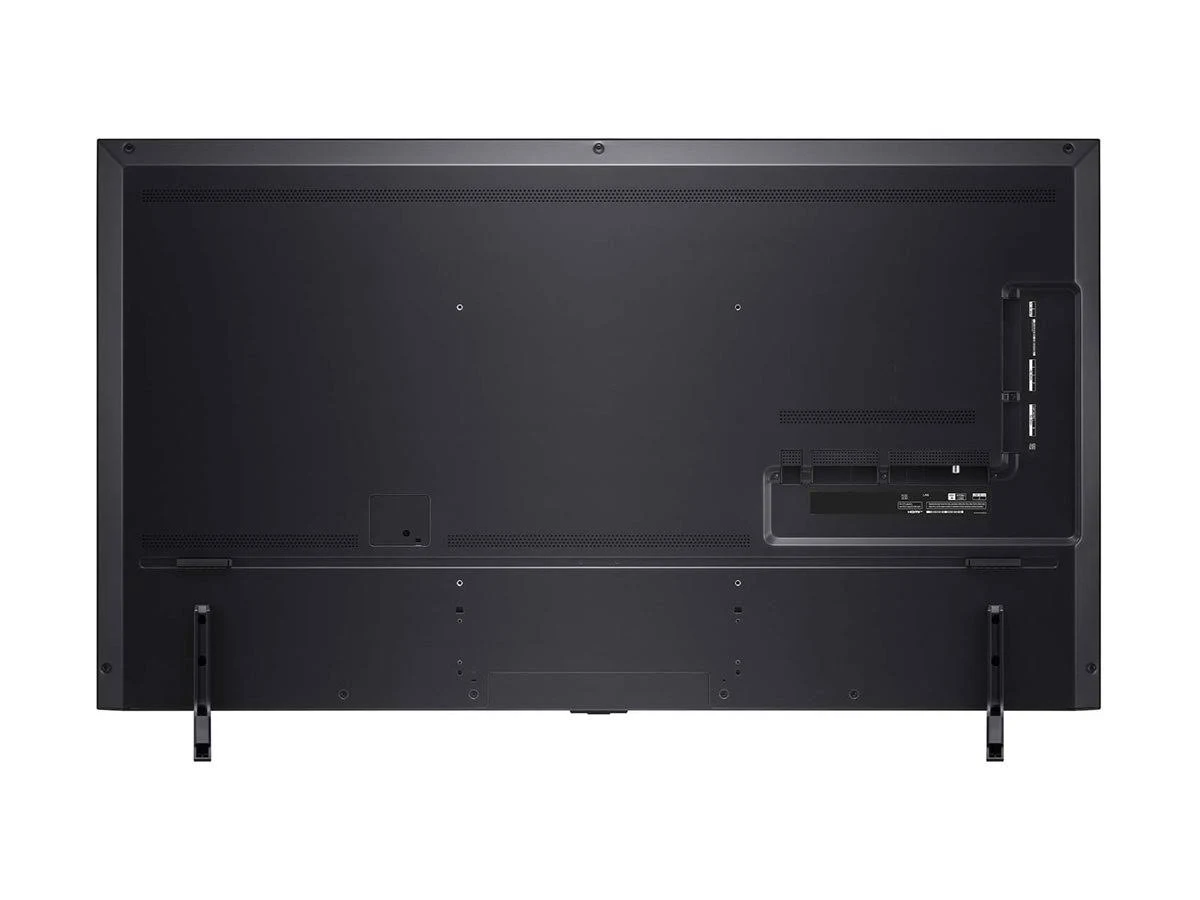

LG 65QNED90TUA
QNED90 Series
Size: 65"
Resolution: 3840 x 2160
Refresh Rate: 120hz
HDR Support: Yes
Panel Type: VA
Specs
Brand & Model
| Brand | LG |
| Series | QNED90 |
| Model | 65QNED90TUA |
| Aliases | 65QNED90TAA |
| Year | 2024 |
Display Details
| Size Class | 65" |
| Panel Type | VA |
| Panel Bit Depth | 10 bits |
| FRC | No |
| Color Bit Depth | 30 bits |
| Aspect Ratio | 16:9 |
| Curvature | - |
| Resolution | 3840 x 2160 pixels |
| Refresh Rate | 120hz |
| Brightness | 500 cd/m² (nits) |
| Peak Brightness | 1200 cd/m² (nits) |
| Static Contrast | 6000:1 |
| Dynamic Contrast | - |
| HDR |
|
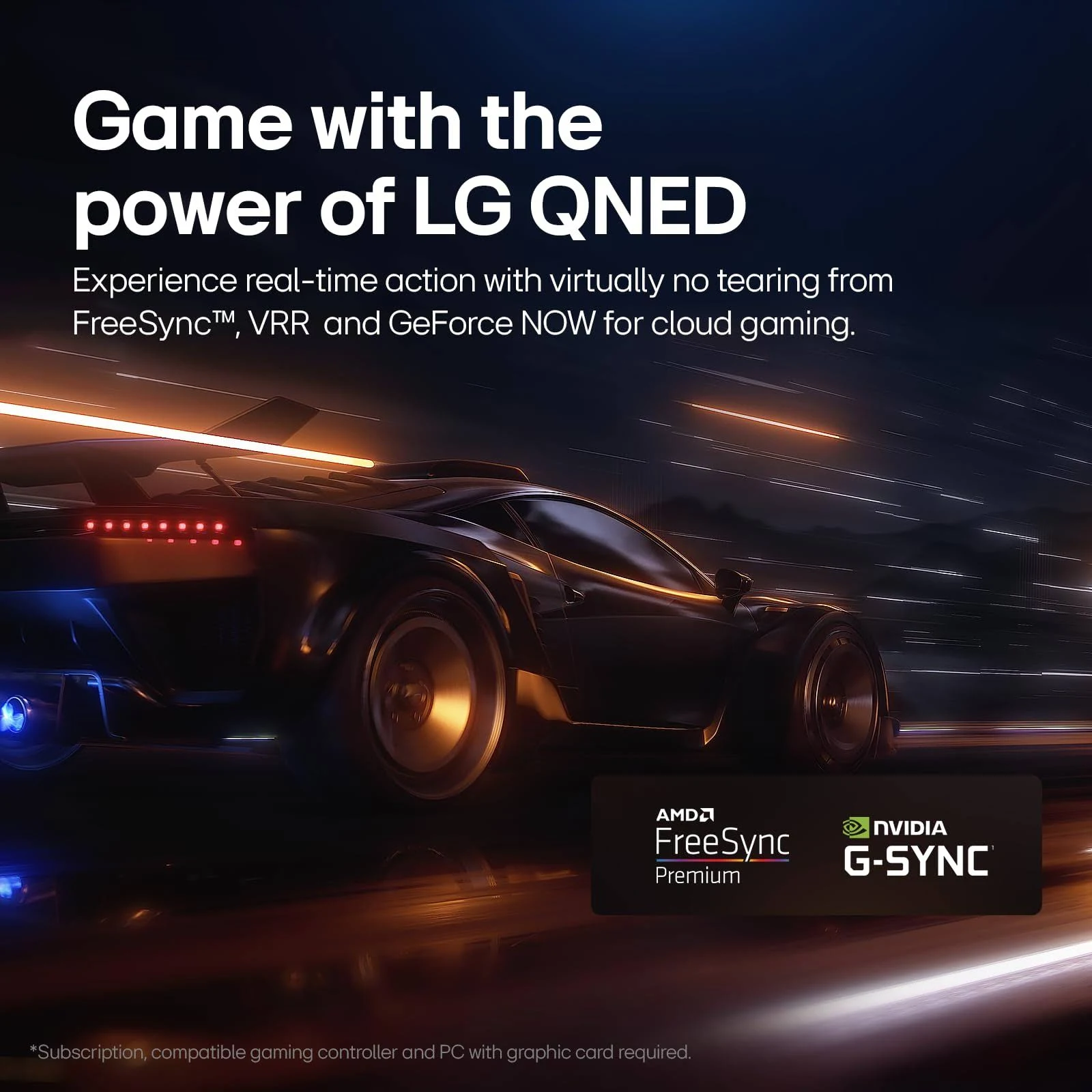
| VRR |
|
| Minimum Response Time | 5ms |
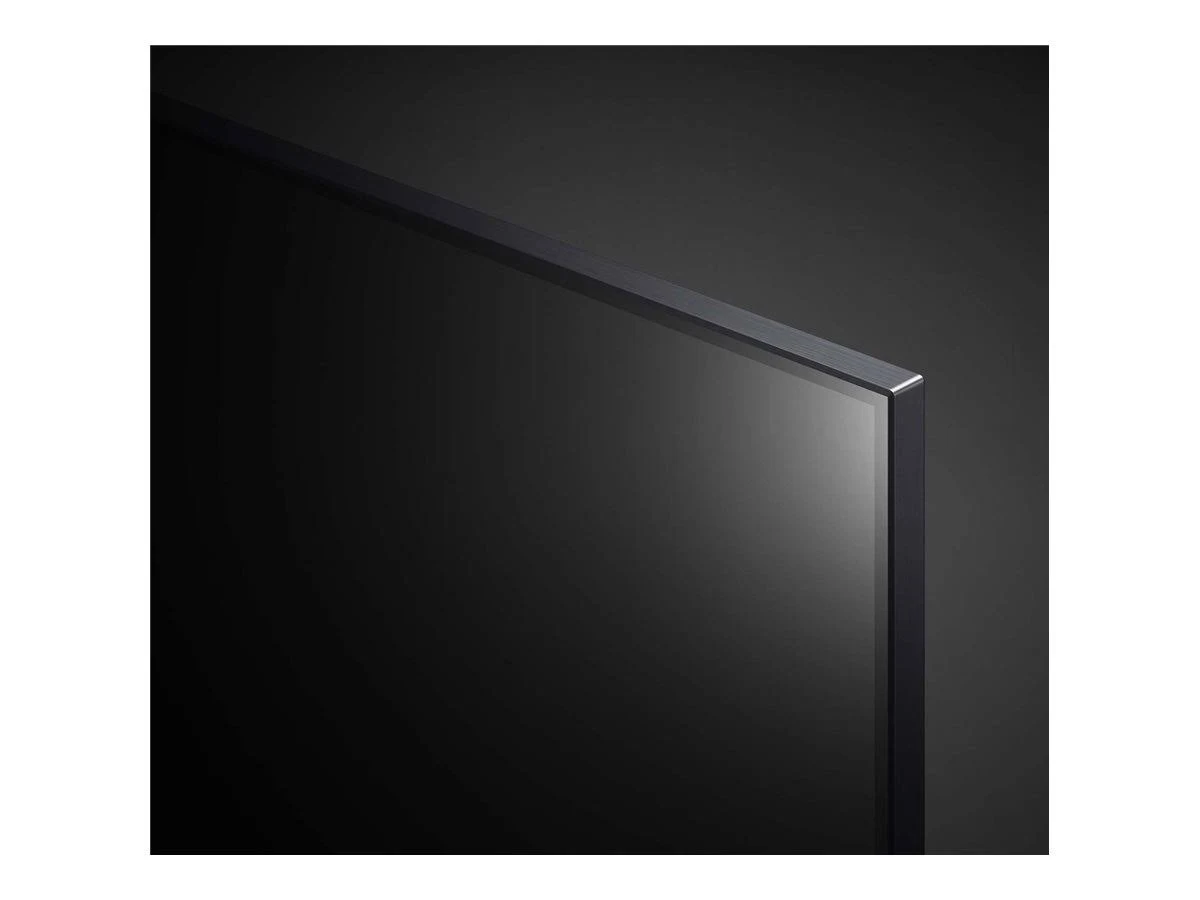
| Coating | Semi-gloss |
| Backlight | - |
| Pixel Density | - |
| Viewing Angles | - |
| sRGB Coverage | - |
| DCI-P3 Coverage | - |
Dimensions & Weight
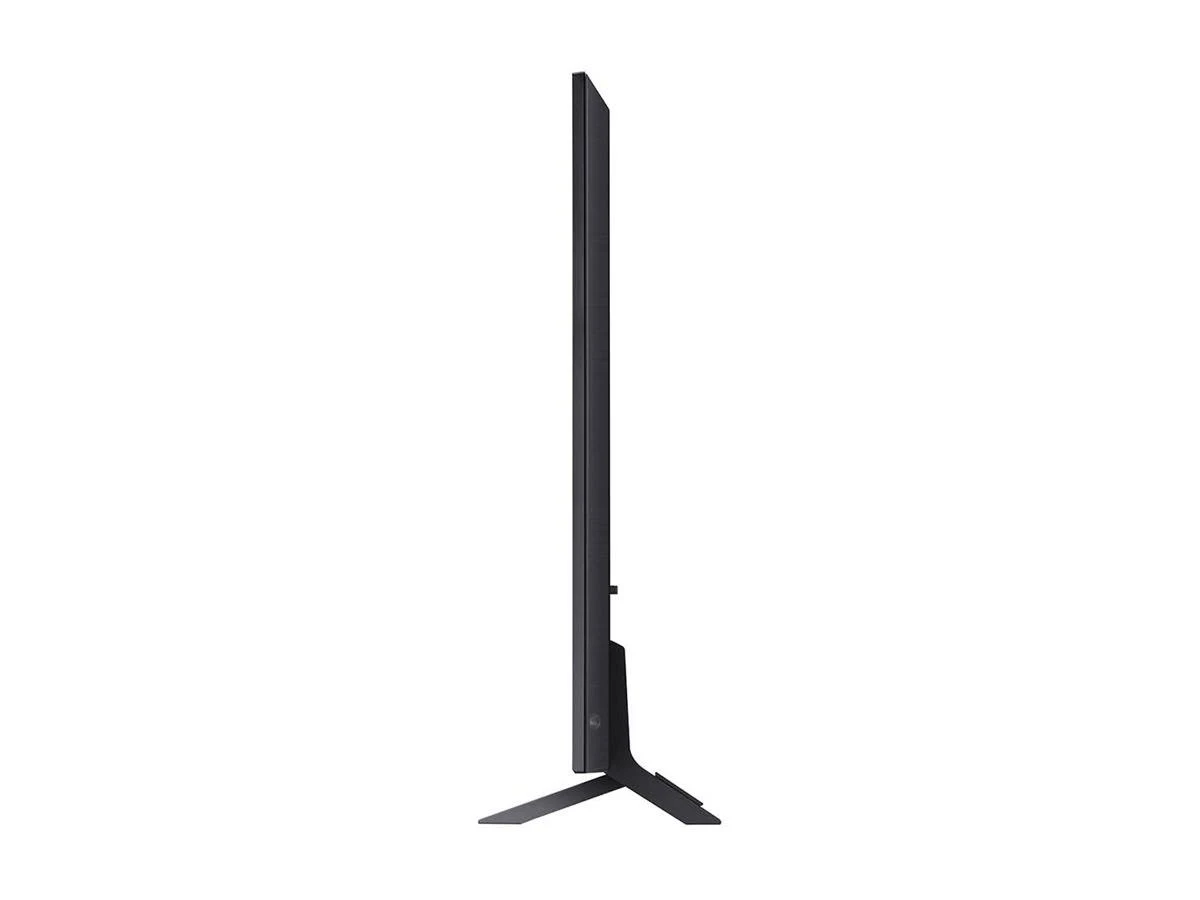
| Dimensions | W: 1428.48mm H: 803.52mm D: 45.7mm |
| Weight | 31kg |
| Dimensions With Stand | W: 1452.88mm H: 904.2mm D: 294.6mm |
| Weight With Stand | 31.4kg |
| VESA Mount | - |
Interfaces
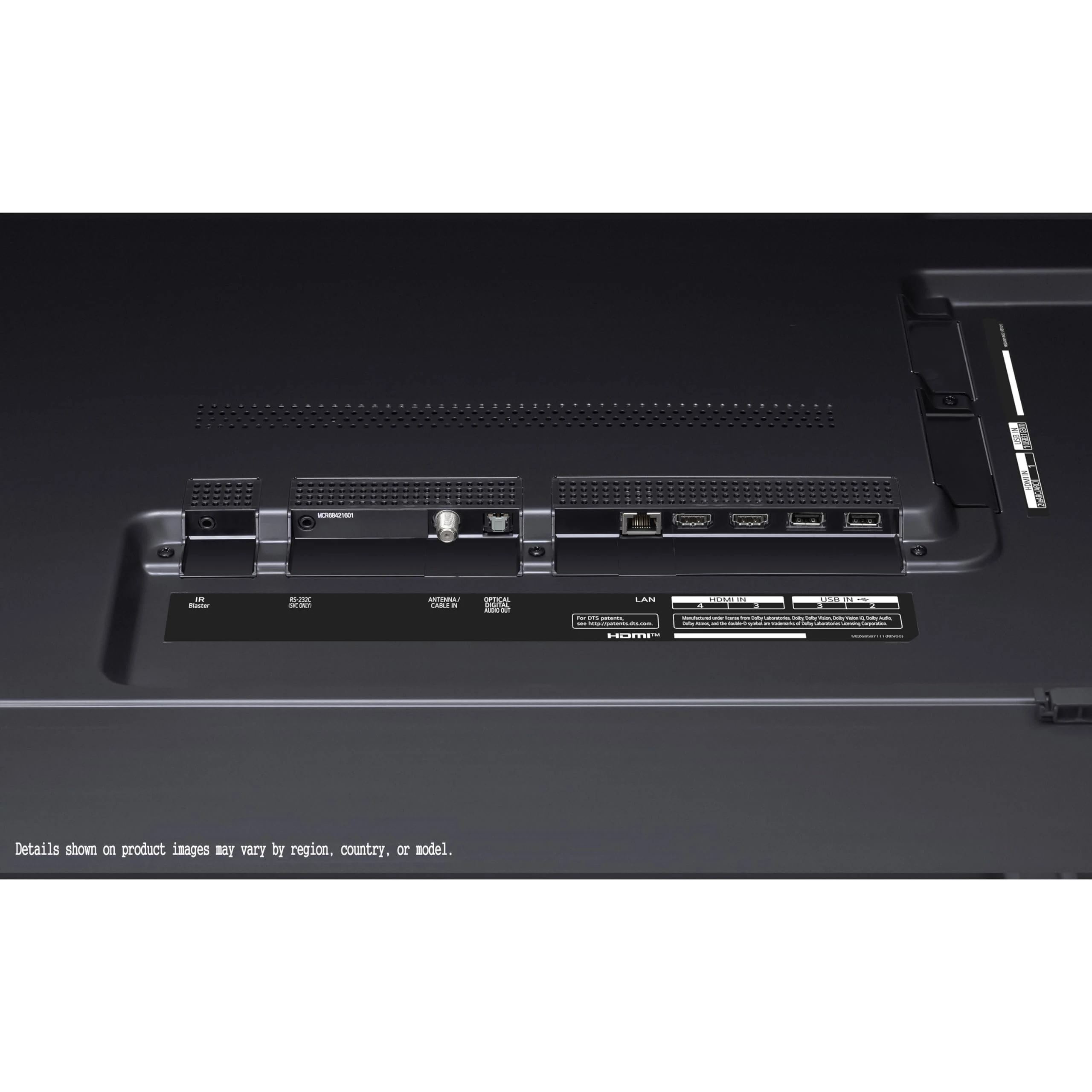
| Connectivity |
|
| Network |
|
Audio
| Speakers | - |
| Speaker Power | - |
| Subwoofer | - |
Power & Energy
| Energy Class | - |
| Energy Class (HDR) | - |
| Energy Use | - |
| Energy Use (HDR) | - |
| Power Consumption | - |
| Standby Power | - |
Software Features
| Operating System | webOS 24 |
TV Features
| Tv Tuner | - |
This website uses cookies for functionality and performance purposes. Learn more